
- Biometric Access Control
Access by identity.
Biometric Access Control: A Practical Alternative To Traditional Keysl keys
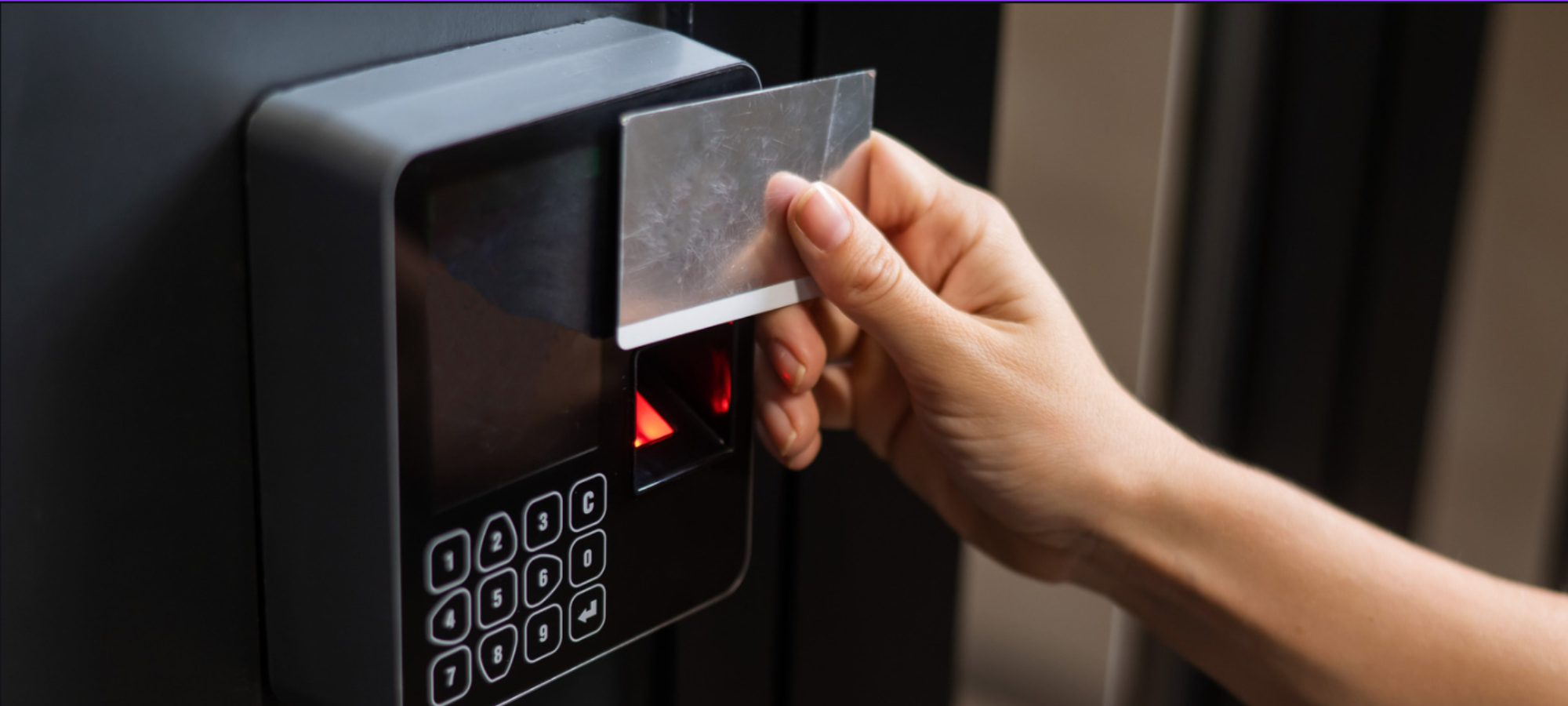
Card and fob access control allows authorized users to enter through a controlled door using an assigned card or physical fob.
Sheger installs card and fob readers as part of broader door access control services throughout the GTA, considering the reader, door, hardware and overall entrance together.

Sheger
- Choosing The Right System
The right biometric depends on the entrance.
Biometric access control is not automatically the right choice for every entrance. Several factors should be considered before selecting a biometric system.

Frequently Asked Questions About Biometric Access Control
1. How does a biometric access control system work?
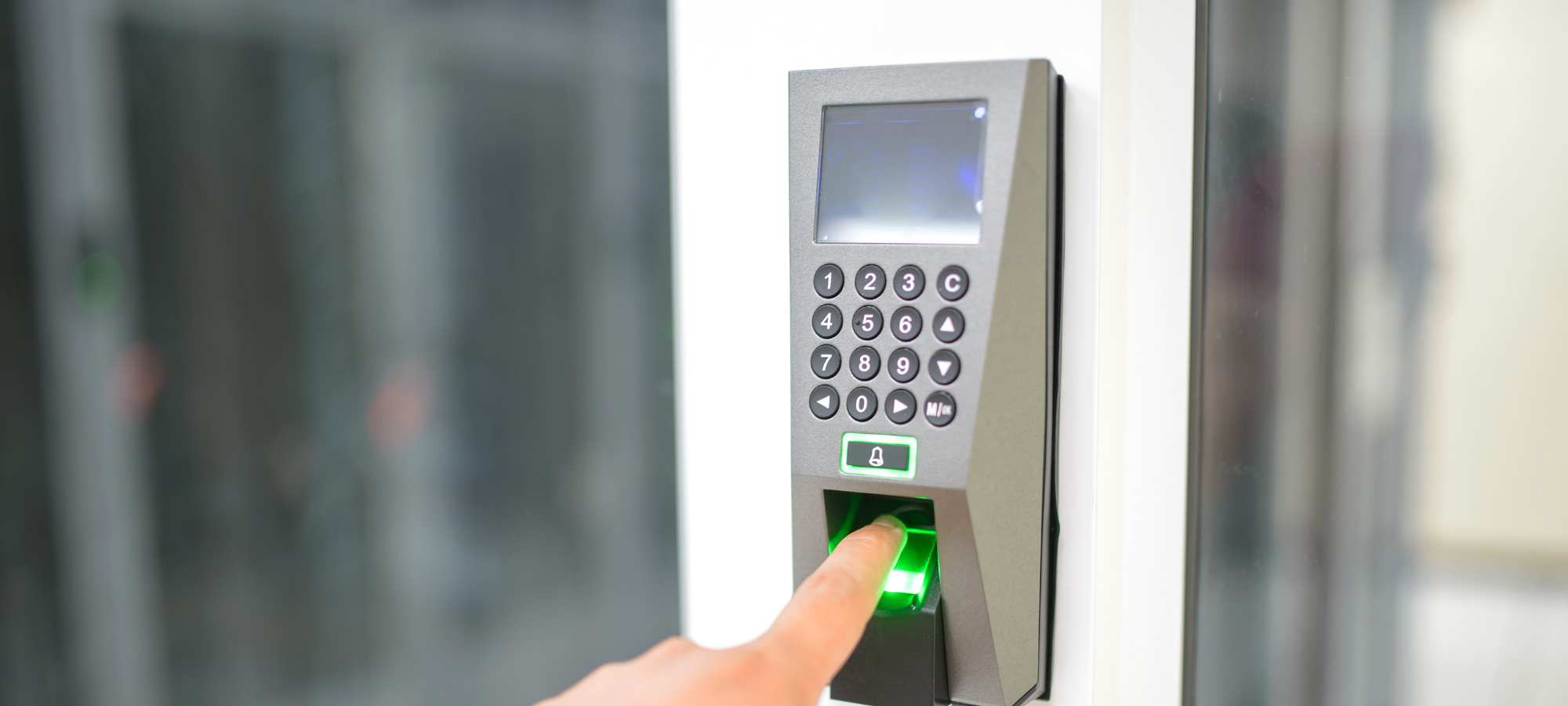
A biometric access control system verifies a person’s identity using unique physical traits such as fingerprints, facial features, or iris patterns before unlocking a door. When an authorized user scans their credential at the reader, the system converts the biometric data into an encrypted mathematical template and matches it against stored records in under a second. Unlike traditional keys or swipe cards, biometric credentials cannot be lost, shared, or duplicated, making them ideal for commercial offices, condominiums, and high-security facilities in Toronto.2. Which biometric method is best for commercial buildings in Toronto?
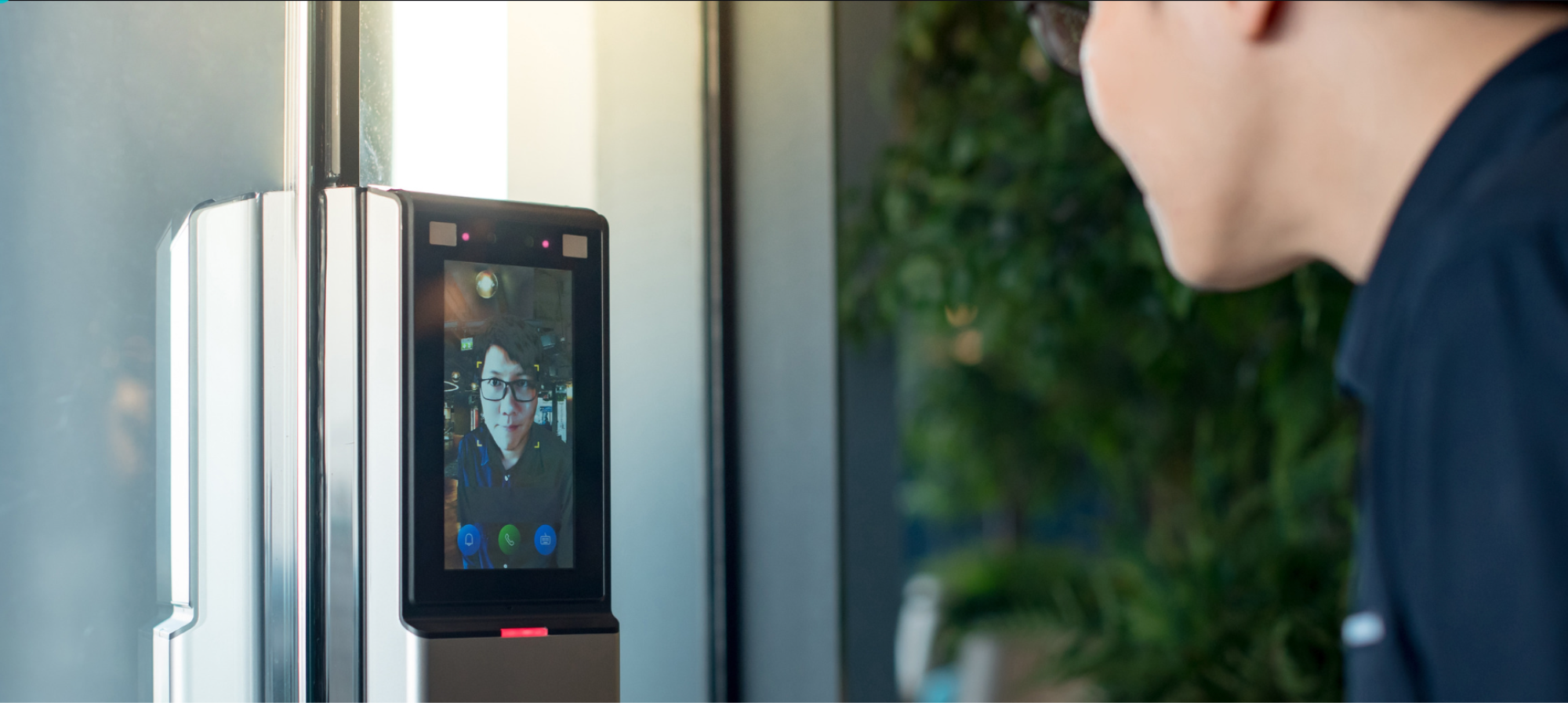
The right choice depends on traffic volume, lighting conditions, and hygiene requirements. Facial recognition readers offer fast, touchless entry for busy corporate lobbies and multi-tenant buildings. Fingerprint scanners provide a cost-effective, high-accuracy solution for server rooms, staff entrances, and restricted storage areas. For environments requiring maximum security or where staff wear gloves, iris recognition delivers reliable authentication without physical contact.3. Can biometric access control integrate with existing doors and card systems?
Yes. Modern biometric readers integrate seamlessly with existing electric strikes, magnetic locks, automatic door operators, and legacy card or fob infrastructure. Many Toronto properties deploy multi-factor authentication—combining a key fob or mobile credential with facial or fingerprint verification—for sensitive zones while keeping standard access on low-risk doors.4. Is biometric data stored securely and compliant with Canadian privacy laws?
Enterprise-grade biometric access control systems do not store raw photos or actual fingerprint images. Instead, they convert scans into encrypted digital templates that cannot be reverse-engineered, helping organizations align with Canadian privacy standards such as PIPEDA while maintaining detailed audit logs of every entry event.5. What happens during a power outage or network disruption?
Professional installations include dedicated backup batteries and local controller memory. Even if internet connectivity drops, door controllers continue verifying authorized users locally, and fail-safe or fail-secure lock configurations ensure full compliance with Ontario fire and building safety codes.6. How long does biometric access control installation take in Toronto?
Most standard single-door or multi-door biometric installations in Toronto are completed within one to two business days. Our technicians handle mounting, low-voltage wiring, controller configuration, and user enrollment without disrupting your daily business operations.
7. Do biometric readers work outdoors in Canadian winter weather?
Yes. Weather-rated exterior biometric readers with IP65 or IP67 enclosures operate reliably in extreme cold, snow, and direct sunlight, ensuring dependable access control year-round for exterior commercial and residential entrances across the Greater Toronto Area.